Cameron Krüger · 20 October 2026
Optimizing Internal Link Structures Using Automated Suggestion Algorithms in Modern SEO Suites
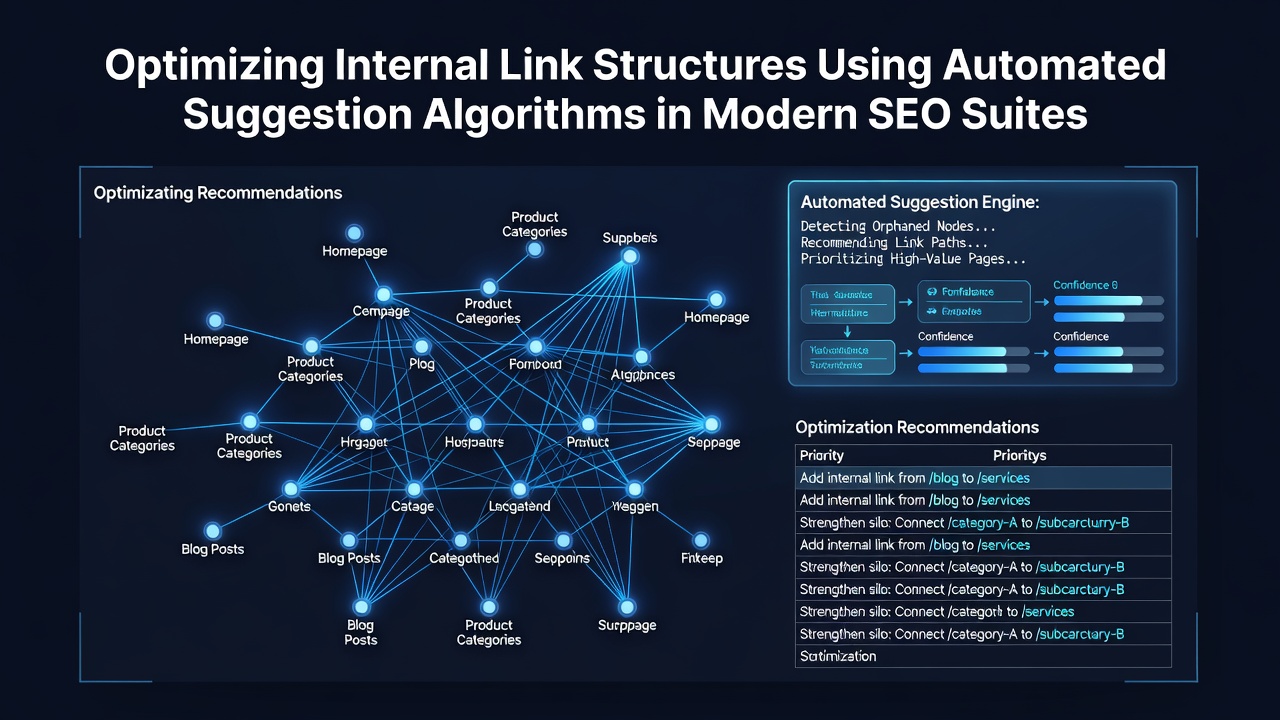
Internal linking remains a foundational element of search engine optimization because it guides crawlers through site architecture while distributing page authority across related content. Modern SEO suites now incorporate automated suggestion algorithms that analyze content relationships, user behavior data, and crawl patterns to recommend link placements. These systems process thousands of pages in minutes, identifying opportunities that manual audits often overlook due to scale limitations.
How Automated Algorithms Identify Link Opportunities
Algorithms begin by crawling site content and building semantic graphs that map keyword clusters, topic hierarchies, and existing link flows. They compare this graph against performance metrics such as time on page and bounce rates, then flag pages that lack connections to high-value destinations. Researchers at institutions like the University of Toronto have documented how graph-based models improve crawl efficiency when applied to enterprise-scale websites. The process continues with scoring mechanisms that weigh factors including topical relevance, anchor text diversity, and historical ranking data before generating specific placement suggestions.
Platforms integrate these recommendations directly into content management workflows so editors see inline prompts while drafting or updating articles. Data shows that sites adopting these tools experience measurable shifts in indexation rates within weeks of implementation, particularly for deep content layers that previously received infrequent crawler attention.
Integration Patterns Across Leading SEO Platforms
Leading suites combine suggestion engines with existing keyword research modules and site audit features, creating unified dashboards that display both problems and proposed fixes. Some systems prioritize contextual relevance by scanning surrounding paragraphs for semantic matches, whereas others emphasize structural balance by tracking orphan page counts and silo integrity. Observers note that October 2026 updates in several major platforms introduced machine learning refinements that adjust suggestions based on real-time ranking fluctuations reported through search console integrations.
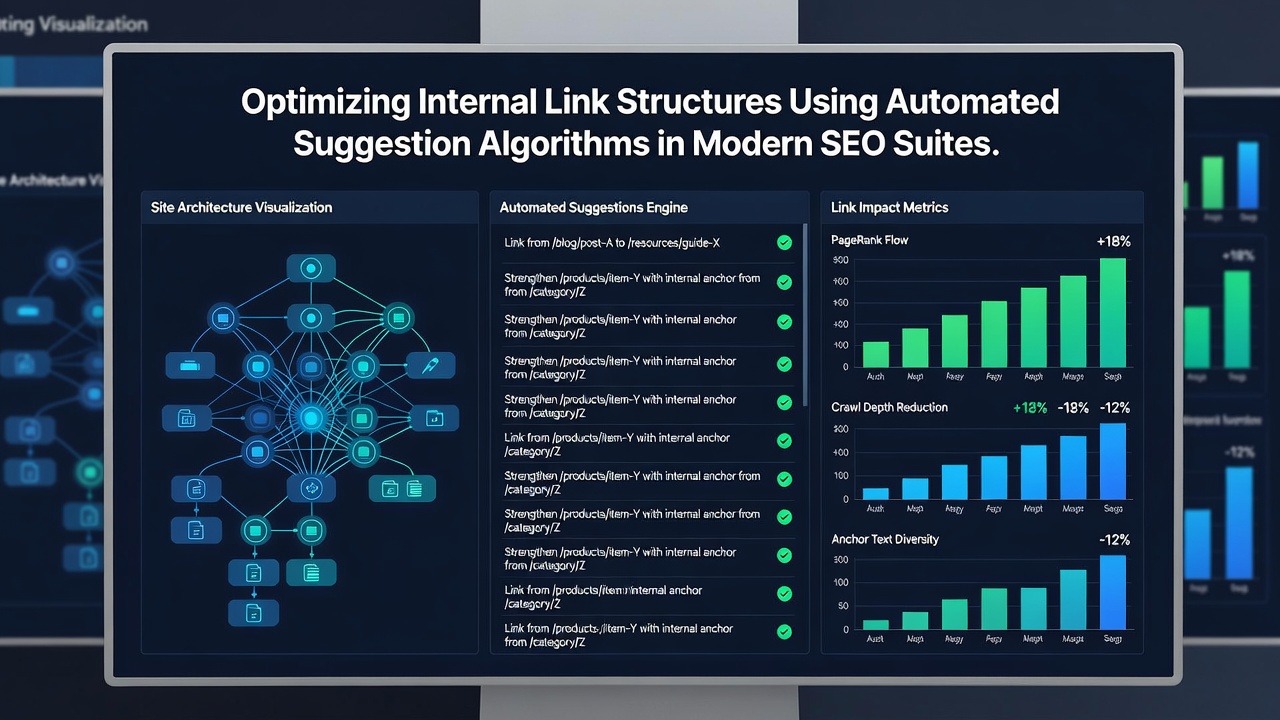
One study conducted by academic teams in Australia examined how automated linking affected crawl budget allocation across multilingual sites. Results indicated clearer topical pathways emerged when algorithms suggested links using normalized anchor text distributions rather than exact-match phrases alone. Teams that implemented these recommendations reported faster discovery of updated content by search engines compared to control groups relying on static navigation menus.
Measuring Impact Through Structured Testing
Organizations evaluate algorithm performance by running controlled A/B tests that compare pages optimized via automated suggestions against those left unchanged. Metrics tracked include internal page views, crawl frequency logs, and changes in keyword ranking distributions. Evidence from industry reports reveals consistent patterns where pages receiving algorithmic link additions show improved engagement signals that correlate with stronger organic visibility over multi-month observation periods.
Those who have studied this process emphasize the importance of combining automated outputs with editorial review to maintain natural language flow. Algorithms may propose technically sound placements that still require human adjustment for tone or user intent alignment. This hybrid approach appears in case studies where large content sites reduced orphan pages by over 40 percent within a single quarter after deploying suggestion tools.
Technical Considerations for Implementation
Successful deployment requires proper configuration of API connections between the SEO suite and content management systems so suggestions appear in real time. Data synchronization settings must account for staging environments to prevent premature publication of unapproved links. Experts have observed that sites using structured data markup alongside automated linking gain additional advantages because rich snippets reinforce topical connections that crawlers use during indexing.
Security protocols and permission layers determine which team members can accept or reject algorithm-generated recommendations. Audit trails capture every change, allowing teams to trace ranking movements back to specific link additions when analyzing performance shifts. As platforms continue refining their models, integration depth with external databases has become a distinguishing factor among competing suites.
Conclusion
Automated suggestion algorithms now form an integral part of internal link optimization strategies within contemporary SEO suites. They deliver scalable analysis that identifies opportunities across large sites while incorporating performance signals that guide placement decisions. Research from varied academic and governmental sources continues to document measurable improvements in crawl efficiency and content discoverability when these tools receive consistent application. Teams that integrate the technology with editorial oversight achieve structured improvements without sacrificing content quality. The ongoing evolution of these systems, particularly updates noted around October 2026, points toward tighter connections between suggestion engines and live ranking data feeds.